
NASA Space Apps 2026
Flicker the sky.
Scroll past SPHEREx. It is already mapping the whole sky in infrared.
Hover for header
NASA Space Apps 2026
Scroll past SPHEREx. It is already mapping the whole sky in infrared.
Near infrared
Every visit is a spectrum — 0.75 to 5 µm — not a single photo.
What shifts
Movers show up only when two visits are blinked side by side.
The team
A public blink of SPHEREx, for anyone who wants to look.
Scroll to fly past
SPHEREx is mapping the near-infrared sky. The interesting sources are the ones that move — and they need a public way to look.
Mission scale
Small on purpose: pick a place, load the visits, watch what moves.
Give IRSA a coordinate. It returns every SPHEREx visit that covers it, in time order.
Play the frames. Fixed stars hold. A mover walks.
Compare visits, mark walkers, and chase anything new in the field.
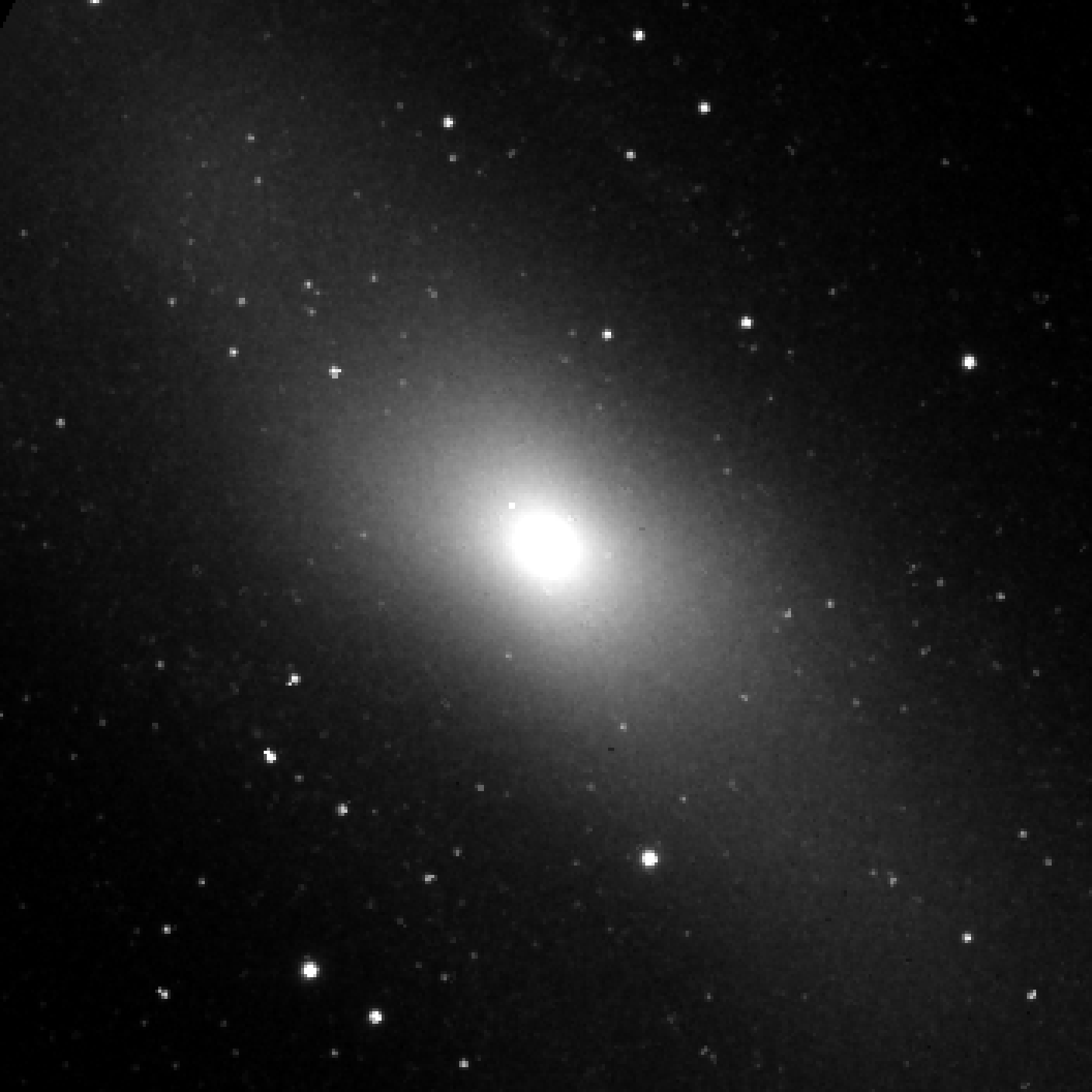
Real SPHEREx cutouts of Messier 031 (RA 10.68479°, Dec 41.26906°). Flicker the visits and retune the wavelength.
Start with WISE 0855. Movers move. Variables that stay put stay put.
Brown dwarf
Coldest known. If it walks vs AllWISE, the blink is honest.
Nearby star
High proper motion — should slide between visits.
Brown dwarf
A nearby companion — a clean second mover test.
Young star
Variable brightness — should hold position.
Variable star
Long-period variable — position, not pulse.
Next step: real SPHEREx visits, open to anyone.